Showing posts with label Supply doctor online medical store. Show all posts

Monday, 3 April 2017

The Importance of Drug Testing in the Workplace

Drug use and abuse is dangerous, especially in the workplace. Not only does it seriously decrease productivity and income in the workplace, but it also places employees at risk.

Related image

Luckily it is possible for employers to be able to test their employees for drug use and from there come up with strategies to pursue a drug-free workplace.

Supply Doctor is an online medical supply store offering a range of different products, including drug tests - both in multi packs and as singles! Visit the store today and order from the comfort of your own home.

So, how can drug testing improve business productivity?

  §  Employees will perform better at their tasks
  §  General safety in the workplace will improve
  §  Reduced workplace accidents, violent incidents and theft
  §  Discourage other workers from abusing drugs and alcohol
  §  Minimizes the risk of employing potential drug and alcohol addicts

Before testing your employees, keep these 5 things in mind...

Related image

     1.       Never discriminate against an employee. If you are doing random drug tests, make sure the process is the same for everyone in the workplace.

     2.       Ensure that the contract your employees have signed clearly states that they must perform random drug testing.

     3.       Make sure to keep the trust of your employees by talking to them and letting them know when the test will take place and what time.

     4.       If the drug test displays a case of drug use, it must be handled properly as a disciplinary matter. It is even encouraged to support the employee to get the right treatment for the drug or alcohol abuse.

     5.       The employee should follow a procedure which has been witnessed and signed by all the others who have been tested.


Since drug testing in the workplace has become common place, there has been a huge decrease in drug use and abuse!

Monday, 27 February 2017

What do Doctors Listen for through the Stethoscope?

The stethoscope is one of the most popular pieces of medical equipment used by doctors all over the world. You will often see it hanging around their neck, but what do doctors listen for when they use stethoscopes?

Lub-dubs and Whooshes

Listening to the lungs is different to listening to the heart. A normal heart sound is often described as lub-dub, while whooshes are the sound that heart murmurs make. Doctors have to listen very carefully though because these sounds are often so soft that they can barely be heard. A stethoscope can also be used to listen to your pulse in your arm during a BP measurement.

Related image

Wheezes and Crackles

When a doctor listens to the lungs, they will keep their ears perked for any signs of wheezes and crackles. Wheezes are often heard from patients whose airways are constricted and crackles occur when there is fluid in their lungs. These sounds are bad signs and should not be present in any normal set of lungs.

Related image

Gurgles

Sometimes when a client has bowel problems, the doctor will place the stethoscope on their abdomen and listen for any gurgling sounds. These sounds are normal as it is just food and gas moving through your body.

Related image


Doctors use a stethoscope to find out important information about a patient’s body functions; it is painless and valuable piece of medical equipment.

Looking for medical supplies and products that are cheap, but still of high quality? Visit the Supply Doctor online medical supply store and place your order from the comfort of your own home.

Monday, 7 November 2016

Good Vibes with Co-Workers may Boost your Health

Your social links with your co-workers could have a significant impact on your health, researchers say.

Image result
Sense of community

We are less burnt out and have greater well-being when our team and our organisation provide us with a sense of belonging and community – when it gives us a sense of 'we-ness'.

58 studies were analysed that included more than 19,000 employed people in 15 countries. They found that how strongly people identified with their work colleagues or organisation was associated with better health and a lower risk of burnout.

The people in the studies were in wide range of occupations, including service, health, sales and the military.

The review authors said their findings show that social relationships in the workplace – particularly the social groups people form at work – can play a major role in health at work. However, the study doesn't establish a cause-and-effect relationship, so don't panic if you're not in a social work environment.

Membership in social groups

These results show that both performance and health are enhanced to the extent that workplaces provide people with a sense of 'we' and 'us'. Social identification contributes to both psychological and physiological health, but the health benefits are stronger for psychological health.

The mental health benefits may come from the support provided by the work group, but also the meaning and purpose that people derive from membership in social groups, the study authors suggested.

Looking for medical equipment that is affordable and can be ordered online? Visit Supply Doctor's online medical supply store today and place your order from the comfort of your own home!

Monday, 19 September 2016

Your Springtime Medical Supplies List

As the warm weather approaches, it's a good time to stock up on those medical supplies that are typically needed in a hurry. Don't wait until you suddenly need them. You won't feel like going to the store to buy them at that point. So get ahead and get prepared. Stock your medicine cabinet up today and be ready!

Image result

Poison Ivy, Poison Oak, Poison Sumac

For many people, warmer weather means more time outside.

Getting back to nature heals the body and the soul, but beware of those parts of nature that can give you an itchy rash.

Helpful Medical Supplies:

- Calamine lotion

- Cold compress

- Your doctor may recommend or prescribe antihistamines or prednisone

Scrapes and Cuts

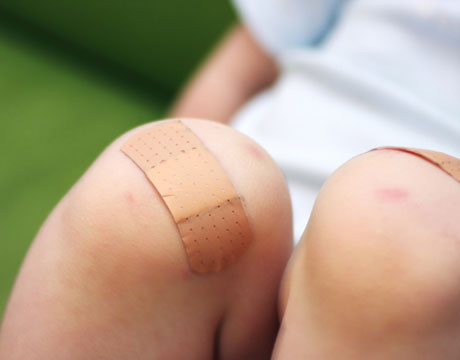
More time outdoors for kids especially means more time running and playing on the playground. Good stuff, for sure, but the more they climb the more their chances for skinned knees do too.

Image resultHelpful Medical Supplies:

- Bandages and band aids of course

- Many people think hydrogen peroxide and/or alcohol are primary tools to clean a cut. Not so. In fact, it's simple water and mild soap. The hydrogen peroxide and alcohol can actually damage the skin and slow the progress of healing.

- Antibiotic ointment, covered by a band aid, will keep the wound moist and protected. This is the optimal environment for healing. 

- For more advanced wound care, check out first aid supplies or minor procedure kits. These will be administered by trained medical professionals.

Skin Protection from the Sun

The sun's harmful ultraviolet rays magnify in the hotter months. While many skin care experts recommend wearing sun screen with at least an SPF of 15 all year round, this becomes especially important in the Spring and Summer. SPF protection defends against not only sunburn in the short-term but also skin cancer in the long-term.

If you do get a sun burn, aloe and other natural remedies are a great natural and low-cost remedy for soothing the skin. 

Insect Bites

Bugs come out more in the warmer months too. Mosquitoes not only cause itchy bites that when scratched can become infected, but they also sometimes carry potentially fatal diseases. Stock up on insect repellent and cover up as much skin as you can bear to when you go outdoors, especially during and after dusk.

Image result- Ticks are another bothersome bug that can be harmless, but sometimes may carry lyme disease. Find repellent that specifically has a claim to defend against ticks.

- Bee stings, as long as you are not allergic to them, will mainly just cause an itchy sensation after the initial pain from the sting. An oral antihistamine will help reduce the pain, itching, and swelling.

When to Seek Medical Attention

Over the counter medical supplies are not the answer to snake bites and some spider bites. I could tell you to avoid the black widow spider and the brown recluse spider for example, but if your bit by any type of spider you may not have had the chance to check to see what kind it is. Don't mess around. It's worth a trip to the emergency room to have a snake bite or spider bite checked out. Some bites don't hurt right away and can look harmless but that's because the poison sets in slowly.

For a range of medical supplies and equipment, check out Supply Doctor’s online medical store!

Monday, 8 August 2016

Is a Walker Better than a Rollator?

Walkers and rollators have been around for a few decades now. They have both done wonders for people who want to maintain an independent lifestyle but need a little extra help getting around.


Who Needs a Walker?

More and more seniors want to stay in their own home and they often live alone. Many also have conditions like hip and back problems, arthritis, and severe breathing conditions that inhibit their ability to walk and limit their endurance.

That is not to say that you won't find many seniors in assisted living residences and nursing homes who also use a walker or rollator. They are probably more common in these residences and even then, a walker or a rollator could prolong independence.

What is a Walker?

A walker is a type of mobility aid used to help people who are still able to walk (e.g. don't require a wheelchair) yet need assistance. It is a four-legged frame that allows a person to lean on it for balance, support, and rest.

Walkers are usually made out of aluminium so they are light enough to be picked up and moved easily. They often have comfort grips made of foam, gel, or rubber to enhance the user's comfort.

The tips of the legs are typically covered with rubber caps that are designed to prevent slipping and improve stability.

Types of Walkers

There are different styles of walkers that you should be aware of before you make a purchase.

Here is a list of the most common types of walkers along with the key points that make them different.

It should be noted that some of these features are not exclusive of each other. For example, you can get a "folding walker" with "height-adjustability" included.

> Folding Walkers

Folding walkers are simply walkers that can be folded easily for transport.

The mechanism to fold the walker is typically a two-button system. Push the buttons in and the walker collapses and folds flat so it will fit easily in a car, bus, or plane.

> Height-Adjustable Walkers
Some walkers have a range of pins or buttons that can be pressed to adjust and set the height of the walker so the handles fit you properly. The range of some walkers spans enough height that they can be used for both adults and children.

> Hemi Walkers
A hemi walker allows the user to lean on just one side for support. It is designed for people with little or no dexterity in one arm or hand.

Since it looks like half of a walker, it makes sense that it is about half the weight of a folding walker. 
Hemi walkers are considered more stable than a cane, so they certainly have their niche.

> Walker with Front Wheels

You can also find a walker (folding, height-adjustable) that has a wheel on each of the front legs. The purpose of the wheels is to help you manoeuvre over difficult terrain.

Most designs have 5-inch wheels.

> Rise-Assistance Walker

There are walkers on the market now that have a front handle that slopes lower on the user's side.

When seated in a chair or at the edge of their bed, the user can reach a lower portion of the handle and use it for leverage to pull themselves up.

> Glider Walker with Platform Attachment

This design includes what looks like a low-height walker.

On each side, you will see a pole rising up. On the top of the poles are soft vinyl platforms to rest your forearms. In front of these comfort platforms, you will find handles for gripping.

This design may assist your stability if you prefer to bear your weight on your forearms rather than elbows and shoulders.

Looking for affordable, durable medical supplies and equipment? Including walkers? Visit Supply Doctors online medical supply store and order today!

Monday, 23 May 2016

Why laughter really is the best medicine

Cat videos. A tickle attack. Tina Fey doing basically anything.


Chances are at least one of these things has reduced you to a fit of giggles or you can think of something else that’s left your eyes watery and your abs aching. Think about how that felt — did all your muscles turn to jelly and your entire body relax? Did you momentarily forget your annoying day at the office?

However you’d describe the experience, it probably felt great. And there are plenty of reasons why: a good laugh can do everything from soothing tension by taming stress and stimulating circulation to boosting endorphins, the feel-good brain chemicals responsible for that post-hilarity high. A study even found that participants had a higher tolerance for pain after watching funny clips from South Park, The Simpsons, and Friends.

Cracking up is also a great way to bond — studies show it’s 30 times more likely to happen in a social context than when alone. Sharing a joke or a laugh helps us connect on a personal, human level, it builds and strengthens relationships. These strong bonds have been shown to be possibly the most important piece in long and healthy lives. There’s always time for a good joke.

But laughter isn’t just a temporary fix — research shows it has long-term benefits too. Some studies indicate that a sense of humour is associated with enhanced immune function and one study found that depressed patients who took part in a Laughter Yoga group (which is exactly what it sounds like) experienced a significant decrease in depression and a significant increase in life satisfaction, suggesting the laughing practice was at least as effective as group exercise for boosting mental health.

It may not come as a surprise then that laughter plays a pretty important role in health care too. In fact, it’s a sneaky way many doctors get nervous patients to relax and the tactic is often hugely successful.


Supply Doctor is a reliable, affordable online medical supply store, where you can order all your medical products without leaving the house!

Monday, 14 March 2016

4 reasons why regular doctor’s visits are vital

The rising cost of healthcare combined with busy work schedules means that many people put off regular doctor’s check-ups. But the hard truth of the matter is that regular doctors' visits can mean the difference between life and death.


It is essential that you have regular medical, eye and dental check-ups if you want to live a long and healthy life. Doctors are able to spot issues early on as well as offer practical advice on healthy living. Not convinced? Read on for information on some of the many ways doctors' visits are so important.

  v  Prevention is better than cure
Regular check-ups will provide doctors with a way to spot any health issues early on. Check-ups incorporate several tests, including preventative screenings and physical examinations, to check patients' current health and risks. If any problems are found, your doctor will provide information on treatment plans and ways that you can prevent health issues in the future. 
Popular health checks include:
      ®     Cervical smear tests (Pap tests) for women
      ®     Blood pressure tests
      ®     Cholesterol level checks
      ®     Body mass index (BMI) and obesity tests
      ®     Diabetes checks

If you have any more specific health concerns, then your doctor will be able to advise you on these and conduct the proper checks.

If you’re a doctor or you simply want some reliable medical equipment at home – Take a look at Supply Doctor’s online medical supply store! 

  v  Cut healthcare costs
For many, the thought of a large doctor's bill is enough to put off scheduling a check-up. However, there are several ways that you can find great savings on health care. Check-ups could also save you plenty of money in the long run as they help to minimize the risk of potential health issues that will lower the risks for surgery or more extensive medical care in the future. 

  v  Dental care
As well as appointments with a doctor, you should also schedule visits to the dentist. It can be a tricky task knowing how often you should visit the dentist. While many say that visits should be made every six months, those with dental problems may need to have their teeth checked more regularly.

Good oral health plays an important role in the overall health of your body. After all, inflammatory gum disease can lead to tooth loss, while bacteria build-up in the mouth has been said to put you at increased risk of heart disease. In addition to having regular appointments with the dentist, you should maintain a good oral care regime that includes frequent brushing and flossing.

  v  Eye care
While doctors are able to provide some information about eye issues, it is important for people of all ages to schedule vision and eye care tests. Optometrists and eye doctors can check for glaucoma and provide vision reports and possible glasses or contact lens prescriptions, should you need them. 

People between 50 and 65 should have eye checks at least every two years, while those over the age of 65 should have a test every year. People with increased risk of having eye issues should talk to their eye doctor to see how often they should visit.


You can lower your chances of developing health issues in the future by maintaining a healthy diet; exercising regularly; having a good oral health routine; and booking regular medical, dental and eye check-ups.

Monday, 7 March 2016

Shocking surgical items that have been left inside patients!

Other than removing the wrong kidney or something like that, the worst thing a surgeon could possibly do is leave something inside of you that doesn’t belong there! While this is rare, almost 800 patients have had surgical instruments left inside of them, leading to readmission, additional surgeries, abscesses, intestinal fistulas, obstructions, visceral perforations and even death.

Studies have estimated that this happens once in every 5500 to 7000 surgeries, and a typical hospital has about two of these incidents each year.

It is not surprising that these mistakes are expensive ones. In 2007, the average price of removing one of these items was $63 631 plus let’s not forget the lawsuits which can run from about $2 million to $5 million.

The most common item that is left behind is usually a surgical sponge, those small squares of gauze that are used to mop up blood. Traditionally, nurses keep track of sponges by counting them before and after surgeries. But sponges can be hard to find when they are soaked in blood and tucked away out of sight; they are often left in the abdomen, pelvis and thoracic cavity.

In the past, hospitals used X-rays and bar codes to help detect lost material, but the best detection system is radiofrequency! Each piece of gauze has a tiny chip sewn into a pocket and operating room personnel can use a wand to detect whether a sponge has been left inside.

A recent study found that this technology helped locate 23 sponges left behind in nearly 3000 patients over 11 months.

However, sponges are not the only items being left inside patients. Equipment like sponges, towels, needles, instruments, retractors and other small items and fragments of tools have been found in patients.

In one of the most shocking cases, 16 objects were left in the body of a German patient named Dirk Schroeder. After a routine prostate cancer surgery, Schroeder experienced poor recovery and intense pain. It took several weeks for doctors to discover that objects had been left inside his body. These included a needle, a six-inch roll of bandage, a compress, swabs and even part of a surgical mask.


It seems like it is time for stricter, more standardised counting systems that involve all member of the hospital team, including surgeons, nurses, techs, anaesthesiologists, and radiologists.

Looking for quality, affordable medical instruments? Take a look at Supply Doctor's online medical store and place your order - just make sure not to leave them inside your patients!