Monday, 30 July 2018

How to use a finger pulse oximeter in 5 easy steps

A pulse oximeter is a medical device that measures heart rate and the oxygen level in the blood, expressed as the percent of oxygen saturation. Pulse oximeters operate by shining light through the skin to the blood vessels below. These devices are commonly used in many health care settings and are available over the counter. If you have high oxygen saturation (close to 100%) it indicates that the red blood cells are fully loaded with oxygen from the lungs.

Image result for finger pulse oximeter

Follow the steps to learn how to use a finger pulse oximeter:

Step 1
Turn on the pulse oximeter by firmly pressing the power button. The screen should light up almost instantly.

Step 2
Place the sensor, the part that opens and closes like a clothespin, on any finger, with the sensor screen above your fingernail. If the sensor doesn’t have a screen, run the cable along the back of your finger or hand. Don’t use the thumb because these readings are less reliable than finger readings.

Step 3
Wait until the pulse oximeter acquires a signal. This may take 10 seconds or more, depending on the device and the conditions. Excessive movement can decrease the accuracy of the result, so make sure to keep still.

Step 4
Look at the display to see the heart rate, usually indicated with a heart or pulsing light. The percent of oxygen saturation is typically indicated by the symbol “Sp02.” Many devices also have a pulse tone that beeps in time with the heart rate.

Step 5
Leave the sensor on for continuous monitoring. The sensor can become uncomfortable or cause pressure sores if you leave it on your finger for too long. Check and move the sensor at least every two to four hours. If only a single measurement is required, remove the sensor and press the power button to turn off the device.

Take a look at Supply Doctor’s wide range of medical equipment and supplies. There are many options to choose from, including pulse oximeters.


Monday, 16 July 2018

Why it’s so important to have a Pregnancy Ultrasound


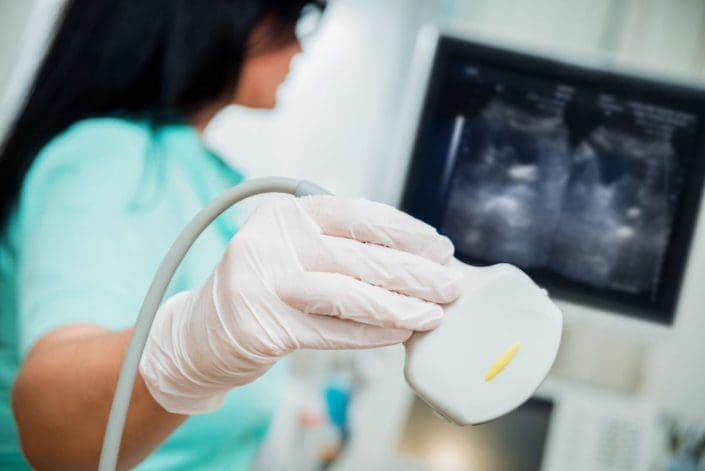
An ultrasound or sonogram is a test that is offered to pregnant woman. It uses sound waves to create an image of the baby that is developing inside its mother’s womb. This is how doctors or health care providers can see the development as well as the health of the baby inside.

But, why is it so important to get an ultrasound when you are pregnant?

There are a range of reasons why, including checking for any problems, to produce images of the baby for the parents to see and to determine whether the child is male or female.

Image result for doing ultrasound

Here are some of the most important reasons why your doctor will need to do an ultrasound…

1. To confirm 100% that you are indeed pregnant
2. To check the baby’s age and growth – this will help you figure out the exact due date
3. To make sure everything is alright with the baby’s heartbeat, muscle tone, movement and overall development
4. To see if you are pregnant with twins, triplets or more
5. To screen for any birth defects, such as spina bifida or heart defects
6. To help with other prenatal tests
7. To examine your reproductive organs such as your ovaries and uterus
8. To check if there are any pregnancy complications that may include an ectopic pregnancy, molar pregnancy and miscarriage

What different kinds of ultrasound machines are used?

There are wide array of ultrasound machines that can be used, it all depends on what your doctor is checking for and how far along in your pregnancy you are.

The most common kinds of ultrasound machine are:

> Transabdominal Ultrasound
> Transvaginal Ultrasound
> Doppler Ultrasound
> 3-D Ultrasound
> 4-D Ultrasound

Related image

Supply Doctor is your one-stop online store for all your medical supplies, including a range of Ultrasound machines and accessories – order yours today from info@supplydoctor.co.za or call 021 110 0422

Monday, 2 July 2018

Avoiding Slips, Trips and Falls during the Wet Weather Season

When the weather takes a turn for the worst, there are usually a lot more people checking into the emergency room for slips, trips and falls.

Image result for wet weather

However, the accidents that come with the wet weather are preventable is you just take the correct steps to protect yourself…

* Always take your time. If it is possible, avoid travelling in heavy rain, sleet or snow. However if you must go out, always take your time and be careful! If you are walking, choose to use sidewalks and pathways that are free of ice, overflowing water, etc. if you have to drive – use these 12 wet weather safety tips from PatrolMan.

* Dress according to the weather. Choose boots and shoes that are waterproof with non-slip soles or treads – L&A Safety offers a range of affordable, waterproof footwear for home and the workplace. Remember to also always wear gloves, a warm jacket and a scarf so you stay warm and avoid getting sick.

* Be careful in parking lots. If you live in an area that has ice or sleet, make sure to regularly clean the parking area or drive way. Hold on to your car door when you exit and take short steps – this tip also applies if you are walking in heavy rain.

* If you are injured, act quickly. Call for help immediately if you have been injured, some injuries may not seem serious, but may get worse later on. It is also a good idea to keep a fully stocked first aid kit close at hand for emergency situations – Supply Doctor offers high quality, affordable medical equipment and supplies, including first aid kits!

The number of slips, trips and falls increase in the winter months; luckily these incidents can be prevented using a few simple steps.

Monday, 4 June 2018

8 Ways to Stay Healthy in Cold and Flu Season


Winter is a great season for enjoying cuddles and warm meals with the family, however there is a negative side – fighting colds and flu!

Getting a flu shot is one of the best ways to defend yourself, however here are 8 helpful tips to prevent and treat colds and flu…

>> Wash your hands regularly, especially after you have blown your nose, coughed, sneezed, etc.

Related image

>> Talk to your doctor if you would like some professional advice

Image result for talking to doctor

>> Eat an immune-boosting diet that is rich in vitamin C and E

Image result for vitamin c foods

>> Stay hydrated at all times by drinking pure, clean water

Image result for drinking water

>> Get enough sleep – not resting enough can put your body and your immune system under a lot of stress

Image result for sleeping

>> Make sure to exercise on a regular basis as it stimulates your immune system and also promotes healthy sleep

Image result for exercising

>> Always listen to your body! If you come down with a cold or the flu – take it easy

Image result for cold flu

>> If your systems get significantly bad, seek medical attention right away

Related image

Remember, just because it is cold and flu season doesn’t mean you’re bound to get sick. Use these tips or get yourself a flu shot and before you know it fighting the flu will be a thing of the past.

Supply Doctor is an online medical supply store that provides a large range of affordable, reliable medical supplies, equipment and products. Order from the comfort of your own home - call 021 011 0422 or email info@supplydoctor.co.za

Monday, 14 May 2018

Why you should ALWAYS wear medical gloves

Medical gloves are one of the most important pieces of medical equipment in the medical and health industry! They are an essential PPE that the Food and Drug Administration regulates, and they must ALWAYS be leak and tear resistant and packaged in sterile packaging.

Image result for medical gloves

The key fact is to find a reliable medical supply and equipment store and you’re sorted! Visit Supply Doctor, where there are thousands of medical supply products to choose from, including medical glove. Place your order from info@supplydoctor.co.za or call 021 110 0422

Medical gloves are disposable, so they are specifically designed to be worn only once. The main purpose of gloves is to protect patients and health care workers from germs, infection and from coming into contact with certain dangerous substances.

Gloves should be worn every time you touch blood, bodily fluids, bodily tissues, mucous membranes, hazardous drugs or broken skin. Doctors take note here: you should wear gloves for this sort of contact, even if the patient you are dealing with seems healthy and has no sign of any germs.

It is so important that the gloves actually fit your properly and cover the hand and part of the wrist. The gloves should be made of latex or a strong synthetic material like PVC or nitrile. Caregivers should always wash their hands properly before putting on the gloves and take special care when handling sharp objects.

Gloves can accidentally become ripped or torn, this means that they should be changed immediately and the old gloves should be thrown away. In fact, the golden rule is to NEVER ever reuse gloves!
But how you properly remove gloves?

When you take the gloves off make sure the outside of the gloves do not touch your bare hands.

Image result for medical gloves

Always follow these 6 simple steps:

1. Grab the top of the right glove with your left hand
2. Pull toward your fingertips – the glove will turn inside out
3. Hold onto the empty glove with your left hand
4. Put two right hand fingers in the top of your left glove
5. Pull towards your fingertips until you have pulled the glove inside out and off your hand. The right glove should be inside the left glove now
6. Throw the gloves away in a proper bin


It is essential to maintain excellent hygiene when dealing with patients, especially during surgeries and operations. Doctors always need to wear medical gloves to protect the patient from infections during surgeries and maintain hygiene.

Monday, 23 October 2017

Do you know what your Doctor specialises in?

Medicine is a career that has a lot of respect and high esteem from people of all walks of life. A doctor saves lives, helps new life to come into the world and gives hope to the ill.

Image result for doctors

There are many different types of doctors who treat different various medical conditions according to what they specialise in.

Here are some of the general medical experts…

     ·         Family Practitioner/General Physician – Your friendly neighbourhood doctor who provides treatment for non-emergency conditions.

     ·         Internist/Internal Medicine Doctor – Specializes in adult medicine, prevention and treatment of adult diseases.

     ·         Emergency Doctor – Offers medical services in the emergency room and are on call 24/7.

     ·         Hospitalist – Looks after the patients who are hospitalized.

     ·         Pain Management/Palliative Care Specialist – Helps in reducing the suffering and bettering the quality of life of the patients who experience pain.

     ·         Infectious Disease Specialist – Studies and treats diseases that are caused by viruses, bacteria, fungi and parasites.

      ·         General Pediatrician – Studies and treats general medical problems in infants, children and adolescents.

      ·         Critical/Intensive-care Specialist – Studies, diagnosis, and treats life-threatening conditions requiring organ support and invasive monitoring.

      ·         Geriatrician – Provides treatment for the diseases and health problems related to geriatrics or old people.

      ·         Anesthesiologist – Studies and administers anesthesia during surgical procedures.

      ·         Surgeons – Perform surgeries related to different sub-specialties of medicine.

There are many specialties of medicine and each specialty has a different type of doctor or surgeon.


Are you looking for high quality medical supplies at an affordable price? Visit the Supply Doctor website and place your order today!

Monday, 18 September 2017

How to Make your Child’s visit to the Doctor as Comfortable as possible

When it comes to visiting the doctor’s office, it can be really scary for small children, this is why a lot of parents avoid going to the doctor because of the fear their kids have.

Image result for child at doctor
Here’s how to make a doctor’s visit as easy as possible for your child…

Warn your child beforehand – Telling your child beforehand that you are visiting the doctor will give them time to prepare mentally. Surprising them with a doctor’s visit will only cause them not to trust you! So, tell them the night before or even the morning of the visit should be fine.

Explain why you are going – Always let your children know why they are going to the doctor, such as to check up on how fast they are growing or tell them if they are sick. Let them know that the doctor is there to make them feel better.

Let them know what will happen during the visit – Tell them that the doctor will check their eyes, ears, mouth and listen to their heart beat.

Read some children’s books about the doctor – Reading a fun children’s book will help to put them at ease. Books let them know that it is a normal part of life and every child goes through the same thing.

Make sure your child gets a good night’s rest – Schedule the doctor’s visit for a time of the day when your child is happy and fully rested.

Arrive at the doctor’s office early – This will ensure your child feels comfortable and give them some time to play and look at the interesting things in the office.

Focus on the good – Explain to them that if they behave well they’ll get a treat from the doctor, like a sweetie or a sticker. You could also give them a reward for their good behaviour afterwards by vising the local park or library.

Going to the doctor isn’t exactly a fun experience for a child, but these helpful tips will make it a lot less uncomfortable!

Related image


Need a reliable supplier of all your medical equipment and supplies? Place your order on Supply Doctor today and choose from our wide range of medical products.