Monday, 23 October 2017

Do you know what your Doctor specialises in?

Medicine is a career that has a lot of respect and high esteem from people of all walks of life. A doctor saves lives, helps new life to come into the world and gives hope to the ill.

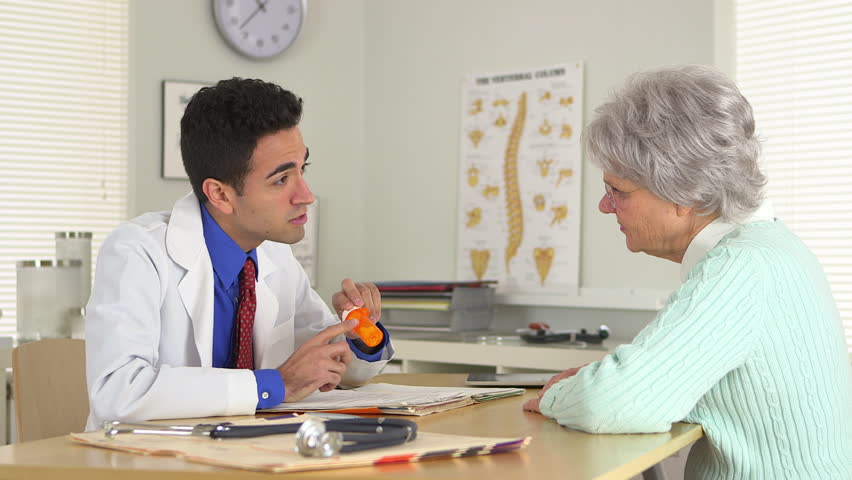
Image result for doctors

There are many different types of doctors who treat different various medical conditions according to what they specialise in.

Here are some of the general medical experts…

     ·         Family Practitioner/General Physician – Your friendly neighbourhood doctor who provides treatment for non-emergency conditions.

     ·         Internist/Internal Medicine Doctor – Specializes in adult medicine, prevention and treatment of adult diseases.

     ·         Emergency Doctor – Offers medical services in the emergency room and are on call 24/7.

     ·         Hospitalist – Looks after the patients who are hospitalized.

     ·         Pain Management/Palliative Care Specialist – Helps in reducing the suffering and bettering the quality of life of the patients who experience pain.

     ·         Infectious Disease Specialist – Studies and treats diseases that are caused by viruses, bacteria, fungi and parasites.

      ·         General Pediatrician – Studies and treats general medical problems in infants, children and adolescents.

      ·         Critical/Intensive-care Specialist – Studies, diagnosis, and treats life-threatening conditions requiring organ support and invasive monitoring.

      ·         Geriatrician – Provides treatment for the diseases and health problems related to geriatrics or old people.

      ·         Anesthesiologist – Studies and administers anesthesia during surgical procedures.

      ·         Surgeons – Perform surgeries related to different sub-specialties of medicine.

There are many specialties of medicine and each specialty has a different type of doctor or surgeon.


Are you looking for high quality medical supplies at an affordable price? Visit the Supply Doctor website and place your order today!

Monday, 18 September 2017

How to Make your Child’s visit to the Doctor as Comfortable as possible

When it comes to visiting the doctor’s office, it can be really scary for small children, this is why a lot of parents avoid going to the doctor because of the fear their kids have.

Image result for child at doctor
Here’s how to make a doctor’s visit as easy as possible for your child…

Warn your child beforehand – Telling your child beforehand that you are visiting the doctor will give them time to prepare mentally. Surprising them with a doctor’s visit will only cause them not to trust you! So, tell them the night before or even the morning of the visit should be fine.

Explain why you are going – Always let your children know why they are going to the doctor, such as to check up on how fast they are growing or tell them if they are sick. Let them know that the doctor is there to make them feel better.

Let them know what will happen during the visit – Tell them that the doctor will check their eyes, ears, mouth and listen to their heart beat.

Read some children’s books about the doctor – Reading a fun children’s book will help to put them at ease. Books let them know that it is a normal part of life and every child goes through the same thing.

Make sure your child gets a good night’s rest – Schedule the doctor’s visit for a time of the day when your child is happy and fully rested.

Arrive at the doctor’s office early – This will ensure your child feels comfortable and give them some time to play and look at the interesting things in the office.

Focus on the good – Explain to them that if they behave well they’ll get a treat from the doctor, like a sweetie or a sticker. You could also give them a reward for their good behaviour afterwards by vising the local park or library.

Going to the doctor isn’t exactly a fun experience for a child, but these helpful tips will make it a lot less uncomfortable!

Related image


Need a reliable supplier of all your medical equipment and supplies? Place your order on Supply Doctor today and choose from our wide range of medical products.

Monday, 4 September 2017

Why so many of us avoid going to the Doctor

A lot of us really avoid going to the doctor like the plague. But why? Well, it can bring up feelings of anxiety, fear and stress!

Image result for visiting doctor

Let’s stop and take a look at the reasons why majority of us avoid visiting the doctor’s office…

24% avoid the doctor because they don’t have insurance
24% avoid the doctor because they are embarrassed about the issue
19% avoid the doctor because it is expensive
18% avoid the doctor because their issue is not covered by health insurance
13% avoid the doctor because they are worries about discovering a condition
7% avoid the doctor because of other reasons

People often lie to their doctors, but what do they lie about?

       -          Eating habits
       -          Exercise
       -          Sex-related issues
       -          Smoking
       -          Alcohol
       -          Drugs

Often it is not the fear or stress that stops people from going to the doctor, but the certain pet peeves that people annoyed…

Image result for visiting doctor

1. Waiting too long
2. Exposure to germs
3. Paperwork
4. Missing a day or work or other appointments

Because we are living in a digital world, people prefer to go online and google certain topics and symptoms, what are the most popular?

41% Sex-related issues
29% STDS
16% Drugs and alcohol
15% Weight
11% Digestive health
4% Other


Supply Doctor is your one-stop online store for all your medical supplies and equipment. Choose anything from BP meters and disposables to ECGs and ultrasound devices. Call 087 001 0511/2 or email sales@supplydoctor.co.za

Monday, 21 August 2017

7 Things you NEED in your First Aid Kit

Whether you have to care for skinned knees or scraped elbows in the backyard or wrap up a sprained ankle, having medical and first aid materials is essential both at home and on the go. Packaging a first aid kit doesn’t have to be expensive or take up a lot of room in your car or home.

Image result for using first aid kit

A great online medical equipment and supplies website is Supply Doctor, there is a wide range of first aid equipment to choose from and add to your kit.

Here are some of the must-haves for your first aid kit:

First Aid Manual
Although you may not want to waste space in your first aid kit, a manual is very important. It can offer you helpful tips and guide you on how to treat wounds, clean and bandage scrapes and even stop nosebleeds. Learning how to treat injuries while waiting for professional help can really make a difference.

Assorted Bandages
Whether you need adhesive strips for small scratches or gauze for larger wounds, assorted bandages in your first aid kit is essential. Bandages come in all shape and sizes, so pack a variety in your kit. Also make sure to include gauze rolls, elastic bandages and sterile burn sheets.

Antiseptic and Ointments
When an injury happens, making sure everything is sterile is crucial. Ensure that you have tools to clean cuts and wounds like antiseptic, hand sanitizer and sanitary cloths. Toss in a pair of non-latex gloves to safely apply any antiseptic or ointments during a minor emergency.

Instant Compress
To treat any aches and pains, make sure your kit includes instant heat or ice pack. Instant compresses are recommended to reduce swelling – once the package is broken the compress will retain its temperature for about 20 minutes.

Image result for using first aid kit

Scissors
A good pair of scissors is a necessity in your first aid kit. In addition to cutting gauze you may need to cut other material like clothing during an emergency. A regular pair of scissors is fine along as they are sharp enough.

Medication
Pain is a big deal, especially to little children, so it’s a good idea to have a children’s pain reliever around to reduce fevers, headaches, sprains and other pains.

Tweezers
This supply isn’t just for plucking stray hairs. Tweezers can come in handy to remove splinters, glass and ticks.

Accidents of any kind are bound to happen, anytime or anywhere. So, it is crucial for you to have a well-stocked first aid kit on hand at all times.

Monday, 7 August 2017

Why it is so important to wear Medical Gloves?

In the medical and health industry, whether you are a busy doctor or a nurse doing check-ups, wearing medical gloves is so important.

Related image

Medical gloves ALWAYS need to be leak and tear resistant, so you'll need to find a reliable medical supply and equipment store to buy your PPE. Visit the Supply Doctor website and order your medical gloves from the comfort of your own home.

Medical gloves are disposable, so they are specifically designed to be worn only once. The main purpose of gloves is to protect patients and health care workers from germs, infection and from coming into contact with certain dangerous substances.

Every time you touch any kind of bodily fluid such as blood, bodily tissues, mucous membranes, broken skin or hazardous drugs - medical gloves need to be worn. Even if your patient seems fine and healthy - ALWAYS wear gloves! 

Wearing gloves is important, but it is even more important that they fit your hand properly. The correct medical gloves should cover the entire hand as well as part of the wrist and be made of either:

Latex
PVC
Nitrile


Caregivers should always wash their hands properly before putting on the gloves and take special care when handling sharp objects.

Gloves can accidentally become ripped or torn, this means that they should be changed immediately and the old gloves should be thrown away. In fact, the golden rule is to NEVER ever reuse gloves!
But how you properly remove gloves?

Related image

When you take the gloves off make sure the outside of the gloves do not touch your bare hands. 

Follow these simple steps:

- Hold the top of the right glove with your left hand
- Pull toward your fingertips – the glove should inside out
- Grab onto the empty glove with your left hand
- Put two right hand fingers in the top of your left glove
- Pull towards your fingertips until you have pulled the glove inside out and off your hand. The right glove should be inside the left glove now
- Make sure to throw the gloves away in a proper bin!

It is essential to maintain excellent hygiene when dealing with patients, especially during surgeries and operations. Doctors always need to wear medical gloves to protect the patient from infections during surgeries and maintain hygiene.

Monday, 24 July 2017

Why First Aid is Vital when you have Children

First aid is vital to know because accidents can happen any time and any place. When you have children, however having the correct first aid supplies as well as knowing basic first aid is critical!

Image result for first aid children

Whether you are a parent, teacher or you to tend to be around kids a lot, you need to consider getting first aid training – here’s why:

     1.       It’s important to always be prepared

Having first aid supplies and equipment on hand in your home or place of work at all times is so important. The next time your child falls and scrapes their knee, you can handle things in a confident manner and stay calm at the same time.

     2.       The difference between life and death

It may not ever come to this, but first aid could mean the difference between life and death, so don’t brush it off like it isn’t important! Accidents happen every year that include children falling in pools, etc. you could be the one to save a life if you know first aid.

     3.       Sports injuries

Playing sports is probably an important part of your child’s life. However, sports come with injuries. Rather than sitting back and letting someone else deal with it, put your first aid training to good use and you can help your own child or someone else’s child.

Children are really good at getting themselves into accidents, from broken bones to bruises – make sure you have the correct first aid supplies as well as the basics of performing first aid.


Take a look at Supply Doctor's first aid kits that are currently on special and order today while stocks last!

Contact us on 087 001 0511/2 or email westcoastsales@supplydoctor.co.za

Monday, 26 June 2017

First Aid Kits in the Workplace

Every business or company is different, so all first aid requirements will be different as well. Depending on the size, location, type and number of employees working there, all places of work NEED to their first aid arrangements in place or it could mean serious problems.

Accidents happen, no matter which industry you work in. Being prepared for the worst can prevent serious injuries, which is why having the right first aid requirements and suitably trained first aid officers is so important.


ALL employees need to have access to a first aid kit at all times. What is inside the kit depends on the size of the business and the level of risks. A high risk workplace has a number of high risks that could cause serious injuries, like a construction site. A low risk workplace is one where workers are not exposed to any hazards that can cause serious injuries or illnesses.

Low Risk Workplace:
  Ø  One first aid kit for every 10 – 50 workers
  Ø  One extra kit for every additional 50  workers
  Ø  After 200, every additional 100 workers requires one extra kit

High Risk Workplace:
  Ø  One first aid kit for up to 25 workers
  Ø  Two kits for up to 50 employees
  Ø  After 50, every additional 50 workers requires one extra kit

The supplies that go into each first aid kit may vary, however each kit should have the basic equipment to administer first aid to an injury. The extra supplies in a first aid kit will be based on the workplace and what injuries may occur. Someone who has been trained to know basic first aid should be the one who keeps control of the first aid kit.


A first aid kit does not need to be fancy – take a look through the affordable first aid kits available from www.supplydoctor.co.za