Tuesday, 23 February 2016

How an alcohol tester works in 4 quick steps

Many people wonder how an alcohol tester can work by simply testing your breath. How can that possibly be linked with the amount of alcohol in your bloodstream? Especially if you’ve had plenty water to drink and something to eat in the meantime. However, alcohol testing with breath analysis is highly accurate – here’s how it works.

You drink alcohol

The amount of alcohol you drink is constant, but individual variables will affect the speed at which it is absorbed into your body.

Absorption occurs

Alcohol is quite a small molecule and it doesn’t change as it is absorbed into your bloodstream, unlike the larger proteins and carbs in the food we eat.

Alcohol circulates

The alcohol moves around your body, affecting the way signals are sent around your brain – causing the effects of alcohol as we know them.

It reaches the lungs

When the alcohol circulating in your blood reaches the lungs, it will readily diffuse out of the blood, just as carbon dioxide does. Therefore, if you have alcohol in your blood you will also exhale alcohol, which can be detected by alcohol testing.

Problems with Alcohol Testing
Some problems can occur with alcohol testing because of two assumptions:

     ·         Alcohol detected on the breath may not have come from the bloodstream
     ·         The conversion of amount of alcohol measured to percentage of blood alcohol can vary among individuals.

Still, alcohol testing with the current breathalyzer and tools gives us readings that are generally accurate to ± 10%. This is accurate enough for the police to require blood alcohol testing, if you blow above a certain amount.


Supply Doctor is an online medical supply store that can provide you with the medical equipment you need at an affordable price. Looking for an alcohol tester to take with you on the go? Browse through the website and you'll find exactly what you need!

Tuesday, 16 February 2016

5 of the coolest dental offices you’ll ever see

Most of us cringe when we think of going to the dentist; no one looks forward to having their mouth wrenched open, while a vacuum sucks up your saliva. It gets a lot worse than that when the dentist finds a cavity. So here are 5 dental offices that are so cool, you’ll almost forget all about the pain.

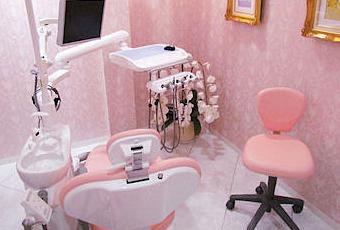
There are Hello Kitty restaurants, hotels, hospitals, so why not a dentist office? For those that simply can’t stand the sterile environment of the standard dental office, the Hello Kitty dentist office is a welcome alternative. However, you’re going to have to travel to Japan just to clean your teeth.


It’s good to be king! And at the Royal Dental office in Romania, everyone is treated like royalty. Well, not exactly, but at least your dental needs are treated amongst office décor that looks like it comes from a royal palace.


If your teenager is fussing about going to the dentist, then this dental office will have them hooked for hours. The office looks more like a place you would hang out at in the mall, with a counter that offers smoothies, game play, MAC browsing and online music. A comic book wall houses the latest comics while video screens have been installed against it for PlayStation and Xbox video games. Visitors can also choose between a DVD jukebox and Ms. Pacman console for entertainment.


Located in Berlin, this dental office is something your kids will absolutely love to visit. The kinderdentist features a unique underwater world experience for kids, complete with pixilated fish and huge visual waves. Children will feel as if they’re in a submarine, searching the ocean floor for treasures as they get their teeth fixed.


Here’s another dental office that would definitely attract kids. This Jungle themed office is complete with panoramic jungle scenes, stone benches, sculptural trees and even a bamboo hut. The dental office also has different zones appealing to visitors of all ages.


These dental offices will leave you awestruck for sure, and make you want to visit them time and time again.

Looking for a reliable online medical supply store where you can purchase all your medical supplies and medical equipment at an affordable price? Supply Doctor is a one-stop online medical supplier that is both quick and cheap! Contact Supply Doctor today!

Monday, 8 February 2016

Top 10 foods that are proven to lower your cholesterol

Some foods are great for your heart health and can help you naturally lower your cholesterol levels. Here are tried and tested foods that have been proven to be particularly useful in controlling your levels…

Olive oil and Olive products – Olive oil is rich in monounsaturated fatty acids and vitamin E. Research shows that this lowers bad LDL cholesterol and increases good HDL cholesterol.

Have one or two tablespoons of olive oil a day over salads or use when you’re cooking. Keep an eye out for margarine made from olive oil as this will also benefit you.


Polyunsaturated, “lite” and Flora “pro active” margarine – Soft or tub margarine with high polyunsaturated fatty acid content will also help to lower LDL levels.

Then there are also “lite” margarines which have a reduced fat, energy and salt content, all these factors contribute to your heart health.


Legumes – Legumes include beans, chickpeas, lentils, peas and all soya products. They have high dietary fibre content and are rich in protective nutrients, including minerals, vitamins and phytonutrients. These will protect the heart and lower cholesterol.

The South African food-based Dietary Guidelines recommend that we should eat dry beans, peas, lentils, etc. on a regular basis.


Fat-free yoghurt and other fat-free dairy products – Full-cream dairy products should be avoided at all times. However this doesn’t mean you have to cut out all dairy products. Use fat-free milk, yoghurt and cottage cheese in a low-cholesterol diet.

Fat-free yoghurt is a particularly good choice because it is rich in protein, calcium and Lactobacillus microorganisms which may help to lower blood cholesterol levels.

Antioxidant-rich fruit and vegetables – All fruits and vegetables can help to lower cholesterol and protect the heart, however two groups are especially useful, those that are rich in vitamin C or beta-carotene.

Foods rich in Vitamin C include oranges, grapefruit, lemons, strawberries, cranberries, Chinese cabbage, broccoli, Brussel sprouts as well as sweet and chili peppers.

Foods rich in Beta-carotene include apricots, spanspek, mango, pumpkin, butternut, carrots, broccoli, cabbage and spinach.

Garlic and other members of the onion family – Members of the allium family, which includes garlic, spring onions and other onions can be used to lower cholesterol and protect the heart.
Use garlic a lot in your cooking and add it to fresh salads, as well as onions.


Whole, unsifted or unprocessed grains – All these foods are rich in B vitamins, minerals and dietary fibre, but low in fat and cholesterol.  Oats and oat bran have a high soluble fibre content which can actively lower blood cholesterol levels.

Have a bowl of oats or muesli, every day to keep your cholesterol in check.


Fish – People who eat fish three or more times a week are less likely to suffer from heart disease and high blood pressure. The best fish sources of omega-3 fatty acids are fish such as salmon, tuna, trout and trout.


Venison and ostrich – A lot of people are horrified by the restrictions on red meat in most diets. However, you can eat moderate portions of venison and ostrich. These meats are low in fat, saturated fat and cholesterol; just make sure you don’t add large amounts of fat to the meat during preparation and cooking.


Omega-3 enriched foods – Omega-3 can play a huge role in lowering the risk of high cholesterol levels. Unfortunately our diets don’t contain enough omega-3 to meet our needs.

Food manufacturers now produce standard foods that are enriched with omega-3 fatty acids, such as milk, eggs and bread.


Are you looking for high quality, but affordable medical supplies or equipment to purchase for your doctors practice or hospital? Supply Doctor is the one-stop online medical store for all your needs! Whether it be blood pressure meters, scales, AED, ultrasounds or disposables – we have it all

Monday, 1 February 2016

7 revolutionary medical technologies of the future

If we look into the near future, we can see the beginnings of a whole new world of medical treatments and equipment that the doctors of the past couldn’t even begin to imagine.

Take a look at these revolutionary medical technologies that could very well shape the future…

Anti-Bleeding Gel
The anti-bleeding gel creates a synthetic framework that copies the extracellular matrix, an awesome natural substance that helps cells in the body grow together. In a video, pigs blood is piped into a cut of pork, and when the pork is sliced it begins to bleed, but is stopped instantly with the Veti-Gel.

If this product becomes commercial, it could save millions of lives, especially in combat zones.

Magnetic Levitation
In 2010 scientists began looking into a way to create realistic human tissues using nanomagnets that allowed lab-grown tissue to levitate above a nutrient solution.

The result was the most realistic synthetically grown organ tissue ever grown! Typically, lab-grown tissue is made in a petri dish, but elevating the tissue allows it to grown in a 3D shape. The 3D growth pattern is a more perfect simulation of the way cells grow in the human body, which means this is a huge step forward in creating artificial organs for humans.

Artificial Cell Mimicry
If one organ isn’t working, it would be ideal to be able to replace it with a new one. Now this idea is moving down to the cellular level with a gel that mimics the action of specific cells.

The synthetic gel will take t
he place of the cytoskeleton in a cell, and when it is applied to a wound, it replaces any cells that were lost or damaged. In a way, it kind of works like a tiny sieve. Fluids can pass through the cell, which allow the wound to continue healing, but the artificial skeleton prevents bacteria from passing through the wound.

Brain Cells from Urine
Biologists have taken waste cells from urine and modified them with the use of retroviruses to create progenitor cells, which the body uses as the building blocks for brain cells. The urine-based cells have proven to shape into neurons with absolutely no unwanted mutations, like tumors.

The obvious medical benefit here is that getting cells from urine is pretty much freely available.

Electric Underwear
Believe it or not, but electric underwear can really save thousands of lives. When a patient is lying in a hospital bed for days, weeks or even months, they can develop bed sores. And you may not know this, but bed sores can be deadly
!

The electric underpants deliver a small electrical charge every 10 minutes – this effect is the same as the patient moving on their own as it activates muscles and increases circulation.

Brain Damage Repair
The alternative to extensive brain damage rehabilitation could be a zap on the tongue! Your tongue is connected to the nervous system and some lead directly to the brain. Based on that fact, the PoNS (Portable Neuro Modulation Stimulator) stimulates specific nerves on the tongue to hopefully focus the brain on repairing the damages.

The PoNS could be used to repair the brain from anything, including alcoholism, Parkinson’s, strokes and multiple sclerosis.

Human Powered Equipment
Pacemakers are used in about 700 000 people right now to regulate their heart rhythms. However after seven years or so, the device runs out of juice and needs to be replaced. Well, scientists may have solved the problem by developing a way to harness electricity from the motion of a beating heart and use it to power a pacemaker.

If this device works, it could revolutionize medical science as a whole by using human-generated electricity to power a range of medical devices.


It goes without saying that society is moving faster than it ever has. As the years have gone by, medical technology has truly evolved and surged forward with speed and accuracy – we look forward to these revolutionary medical technologies of the future!

Looking for an affordable online medical supply store that can offer you a wide range of medical equipment, disposables and supplies? Take a look through Supply Doctor's selection and place your order today - its quick and easy!

Monday, 25 January 2016

Doctors reveal how a stethoscope actually works

Stethoscopes still play an important role in diagnosing heart, lung and vascular conditions. But how exactly do they work? Dr. Bhavani Balaravi of Raleigh Cardiology explained:


A stethoscope enhances body sounds and transmits those sounds to our ears. A typical model has a flat, round chest piece covered by a thin, tightly stretched skin of plastic called a diaphragm. The diaphragm vibrates when sound occurs. These high-frequency sounds travel up the hollow plastic tubing into hollow metal earpieces and into the doctor’s ears.

What sounds does the doctor hear when using a stethoscope? A healthy adults heart makes tow sounds called a “lub” and a “dub”. The lub sound is created by near simultaneous closure of the mitral and tricuspid valves located between the atria and ventricle of the heart. When the blood leaves the heart via the aorta and pulmonary arteries, the near simultaneous closure of the aortic and pulmonary valves create the dub sound.

When the valves do not close completely, a raspy or blowing noise can occur. This is a heart murmur, an extra sound produced as a result of turbulent blood flow during heart beats, which can mean a valve disorder is present.

Stethoscopes can be used for a number of different health problems, including determining blood pressure. Overall they are an incredibly important tool that doctors have been using for decades.


Browse through Supply Doctor's broad range of medical consumables, equipment and supplies. We have anything you are looking for at an affordable price, including a variety of stethoscopes - contact us today!

Tuesday, 19 January 2016

One size doesn't fit all: How to find the perfect doctor for you

While it may not seem that important, a doctor-patient relationship is actually one of the most intimate and important relationships there are. Doctors are among the few professionals we interact with in an open, exposed and completely vulnerable way, plus they also have a tremendous influence on your health and well-being.


That is why finding the perfect doctor should be your number one priority. If you are in the market for a new doctor, use these steps.

Step One: Gather names of potential doctors
Nothing can compare to the real life opinions and insight of people you trust, so start by getting doctor recommendations from friends and family. Once you’ve gotten a few names, take to the internet.

There are numerous sites to help find and grade physicians. The best option is to simply search for “primary care physician” or “general practitioner” on Google. A great consumer-friendly site which allows you to search by city and specialty is recomed.co.za.

Step Two: Vet each potential doctor
Now that you have a list of doctors who might fit your criteria, it is time to do some deeper sleuthing. Here are six primary considerations you should have when you are researching a new doctor.

1. Cost (My bill is how much???)
2. Doctor expertise (Do I need a specialist?)
3. Board certification (Prove it!)
4. Location and availability (Are you there for me?)
5. Doctor style (Dr. Right?)
6. Office amenities and overall experience (All the little things)

The Takeaway
Finding the perfect doctor for yourself does take some time and homework, but it is worth the investment. By asking for recommendations, using the internet and call around, you can narrow down the options and find Dr. Right.

How did you find your doctor? 

Looking for medical equipment and supplies? Supply Doctor can be your ideal online supply store! Simply take a look at our website and place your order straight away - Its that easy.

Tuesday, 12 January 2016

4 unbelievably bizarre medical practices from the past

From the ancient Greeks to the time of Abraham Lincoln, medical practices from the past probably did more harm than good. Real physicians practicing real medicine, as well as scientists and dreamers often had twisted thinking and performed gut-wrenching procedures; here are some crazy historical medical practices you were never taught about in school:

Benjamin Rush Benjamin Rush was America’s best known and most trusted doctor. However, in his practice Dr. Rush doused his patients with cold water in the winter, gave them “artificial diarrhea” and even twirled patients from ropes suspended from the ceiling. He also invented the “tranquilizer chair”, which was later used all over the world. This invention restrained a patient’s hands and feet and covered their head with a wooden box. He believed that pain and suffering was able to cure illnesses and disease. So, he starved, beat and poured acid on his patients.

John Hunter England’s greatest surgeon never have up his career as a grave robber, and he demanded he have 7’8” giant, Charles O’Brien’s bones when he died. Unfortunately Charles refused and made plans to be buried at sea in a lead basket. When Charles finally dropped dead, Hunter’s henchmen bribed the undertaker, grabbed the body and threw It into a big pot. Today, Charles O’Brien’s bones are displayed proudly at the Hunterian Museum.

King Charles II When King Charles woke up feeling sick on 2 February 1685, a number of bizarre and downright crazy medical practices were performed. His physician immediately withdrew sixteen ounces of blood and Charles was then made to swallow a toxic metal and given a series of enemas. To drive the bad humours downward his head was shaven and blistering agents were applied to his scalp. For days Charles was tormented by physicians until finally he lapsed into a coma and died on February 6, 1685.

Dr. Walter Freeman In the 1950’s Dr. Walter Freeman became the world’s best known brain surgeon. Freeman was not trained in surgery and didn’t believe in wearing gloves and working in a germ-free environment. He practiced at home with an ice pick and a grapefruit and soon unveiled the trans-orbital lobotomy. Three of Freeman’s patients died, although he still did lobotomies at nearby hospitals and send his patients postcards.

These real medical practices through the ages are just a brief history of what your teacher never taught you at school!

For a wide variety of medical equipment from this day and age, visit Supply Doctor's website and place your order today.